
Aug
How To Guides, Knowledge Base
A Guide to Building and Operating a Band Rehearsal Space
Starting a band rehearsal space is a compelling business venture, fueled by the consistent demand from musicians who need a professional and inspiring environment to hone their craft. While it requires a significant initial investment and meticulous planning, a well-run rehearsal studio can become a profitable business and a cornerstone of the local music community.
1. The Foundation: Business and Financial Planning
Before a single amplifier is bought, a robust business plan is essential. This document will serve as your roadmap, addressing key questions and financial realities.1
- Market Analysis: Who are your potential customers? Are they garage bands, professional touring acts, music students, or a mix of all three? Research the competition and identify underserved niches in your area.
- Startup Costs: The financial investment can be substantial.2 Major expenses include:
- Real Estate: Leasing or purchasing a suitable space. Industrial parks or commercial areas are ideal to minimize noise complaints.
- Construction and Soundproofing: This is the most critical and often most expensive part. Proper acoustic treatment prevents sound from leaking between rooms and ensures a quality sound experience.
- Equipment: The “backline” of each room—drum kits, bass amps, guitar amps, and a PA system—is a major cost. Investing in quality, reliable gear is a key differentiator.
- Revenue Streams: Beyond hourly room rentals, diversify your income. Consider offering:
- Monthly “lockout” rooms for bands that want a permanent space.
- Recording services, from basic “rehearsal recordings” to full-scale demos.
- Equipment rentals for individual pieces of gear.
- Retail sales of essential supplies like strings, picks, and cables.
- Hosting music workshops, clinics, or small-scale showcases.3
2. The Core Offering: The Rooms and Equipment
The quality of your rehearsal rooms will define your business. A clean, professional, and well-equipped space will keep musicians coming back.
- Acoustic Treatment: This goes far beyond just “soundproofing.” Proper acoustic treatment involves using materials like bass traps and acoustic panels to absorb and diffuse sound waves, ensuring a clear and balanced sound within the room.4
- Layout and Design: The layout should be intuitive and comfortable for a full band. There should be ample space to move around, and the PA system and microphones should be set up for optimal vocal monitoring. Good lighting and proper climate control (air conditioning is a must) are also vital for a comfortable experience.
- Essential Backline Equipment: Each room should be equipped with the basics:
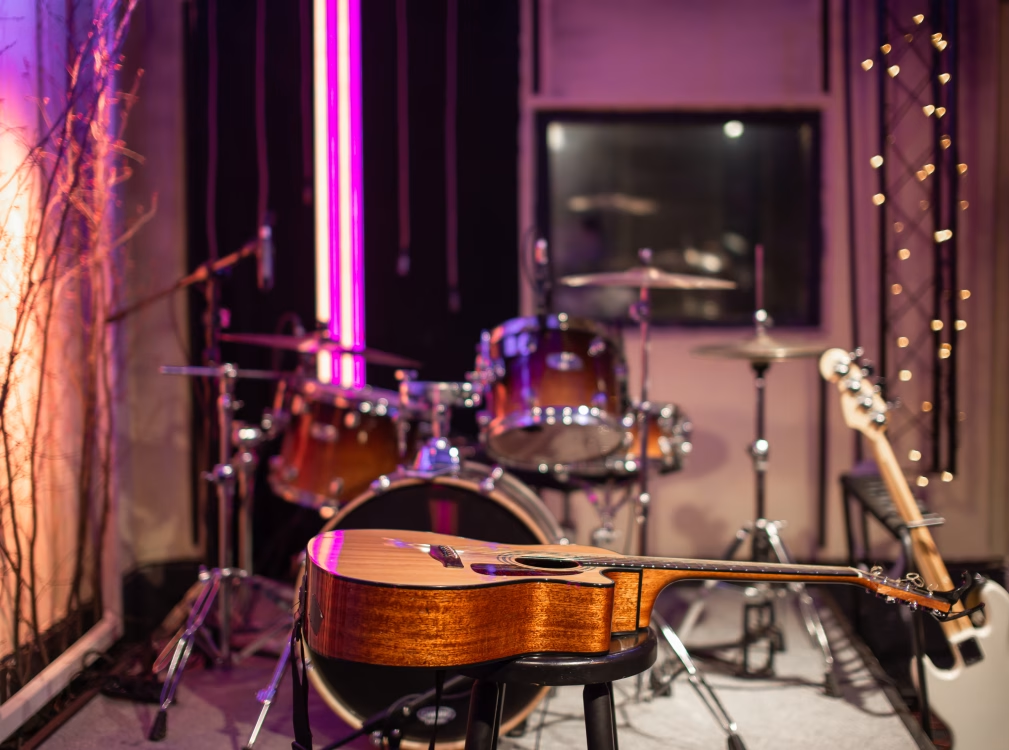
- Drum Kit: A complete drum kit with cymbals.
- Bass Amp: A powerful bass head and cabinet.
- Guitar Amps: At least two quality guitar amps with different tonal characteristics (e.g., a Fender-style clean amp and a Marshall-style rock amp).
- PA System: A mixer, power amplifier, and speakers for vocals. A few microphones and stands are also necessary.
- Maintenance: Regularly maintain and clean all equipment. A broken amp or drum kit can ruin a band’s session and lead to lost business.
3. Marketing and Community Building
A great space won’t succeed if no one knows about it. Marketing is about building a connection with the local music scene.5
- Digital Presence: A clean, mobile-friendly website with a clear booking system is essential. Use social media platforms like Instagram and Facebook to share photos and videos of the rooms, highlight the equipment, and feature bands that rehearse at your studio.6
- Community Engagement: Don’t just be a landlord; be a hub. Partner with local music stores, recording studios, and venues. Host open houses or jam sessions. Feature “Band of the Week” posts on your social media to celebrate your clients.
- Word-of-Mouth: The most powerful marketing tool is a great reputation. Provide excellent customer service, maintain your equipment, and create an environment where musicians feel respected and inspired. A good experience will lead to referrals.
- Targeted Advertising: Use digital advertising platforms to reach musicians and bands in your area. Target specific interests like “guitarist,” “drummer,” and “music production.”
By focusing on a professional environment, quality equipment, and a strong sense of community, a band rehearsal space can move beyond being a simple rental business to become a vital and profitable part of the local music scene.
